better travel photography.com
phototours with steve davey.
Elephants have long been used in many parts of Southeast Asia – especially in the logging industry, where they were used to drag hardwood timber such as teak out of the dense forests, without the need to create road access for vehicles.
Historically, breaking and taming wild elephants in Laos was a deeply entrenched cultural process known as Phajaan (or "the crush"), which combined harsh physical subjugation with animist ritual. To domesticate a wild calf or young elephant, handlers (mahouts) would separate the animal from its herd and confine it inside a narrow wooden frame or crush cage, binding its limbs to restrict all movement. Over a period of several days to weeks, trainers systematically used sleep deprivation, food restriction, and physical punishment – using bullhooks, nails, and ropes – to crush the animal's wild spirit and force absolute submissiveness.
Many elephants in the tourist industry are kept chained and forced to give rides to tourists using heavy saddles of howdahs, which are damaging to their backs, which are surprisingly fragile for such a big animal. Elephants in captivity are often mistreated, used in stressful situations and don't have the time in the day to eat a proper diet and so will often be malnourished.
Even if an elephant is born in captivity, it will often have to undergo the same crual training methods in order to be 'broken' so that it can be used in the tourist industry.
Intrepid Travel were the first major global tour operator to ban elephant rides across all of its trips in January 2014, due to the cruel training methods and also the poor living conditions for most captive elephants in the tourist trade.
Instead they replaced elephant rides with visits to ethical, observation-only venues where elephants can roam and bathe freely. This not only stops supporting cruelty, it helps support ethical elephant rescue.
One such ethical elephant experience is a visit to the Mandalao Elephant Rescue Sanctuary near Luang Prabang in Laos. This sanctuary, which spans roughly 200 hectares along the Nam Khan River, has grown its herd over time since opening in 2016 as Luang Prabang's first non-riding elephant sanctuary. All of its twelve residents were rescued from difficult conditions in commercial logging camps or riding tourism facilities, ranging in age from young calves to seniors over 60 years old.
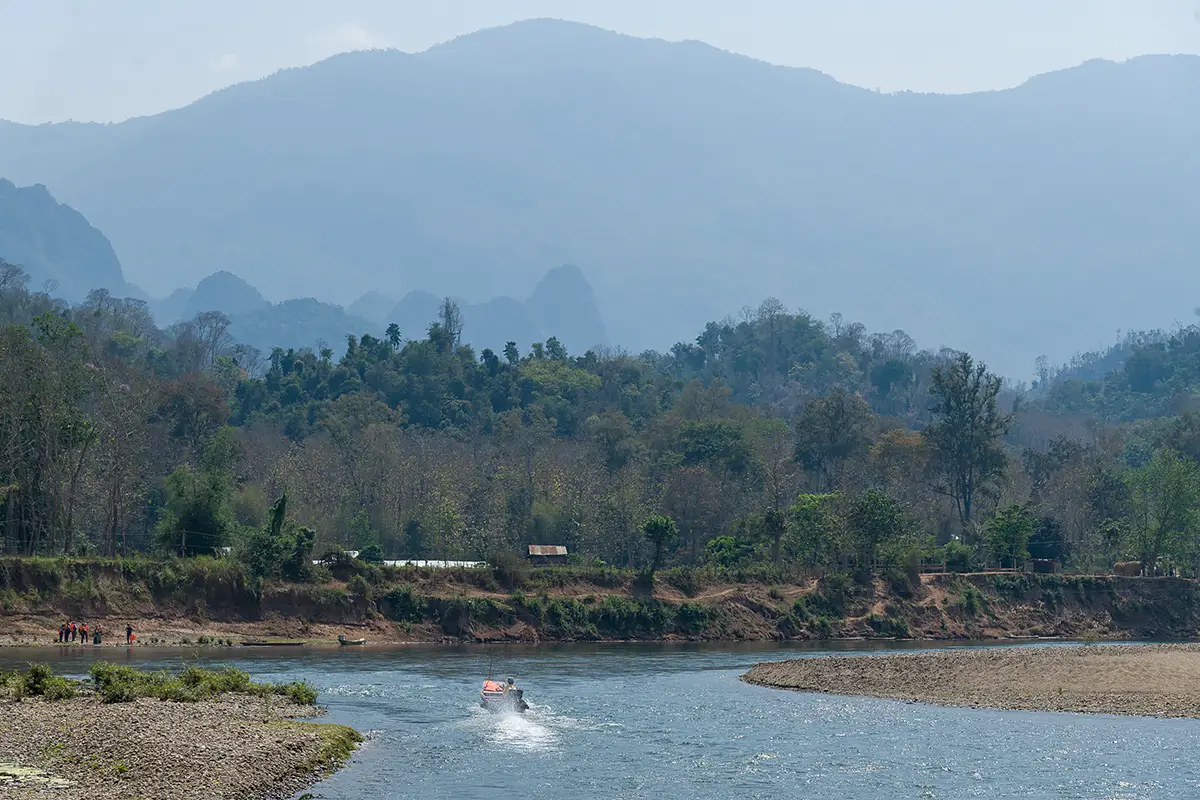
Our visit starts off with a talk at the visitor centre about the sanctuary and the issue of elephant conservation in Laos, before we take a shot boat ride across the Nam Khan river to the sanctuary itself.
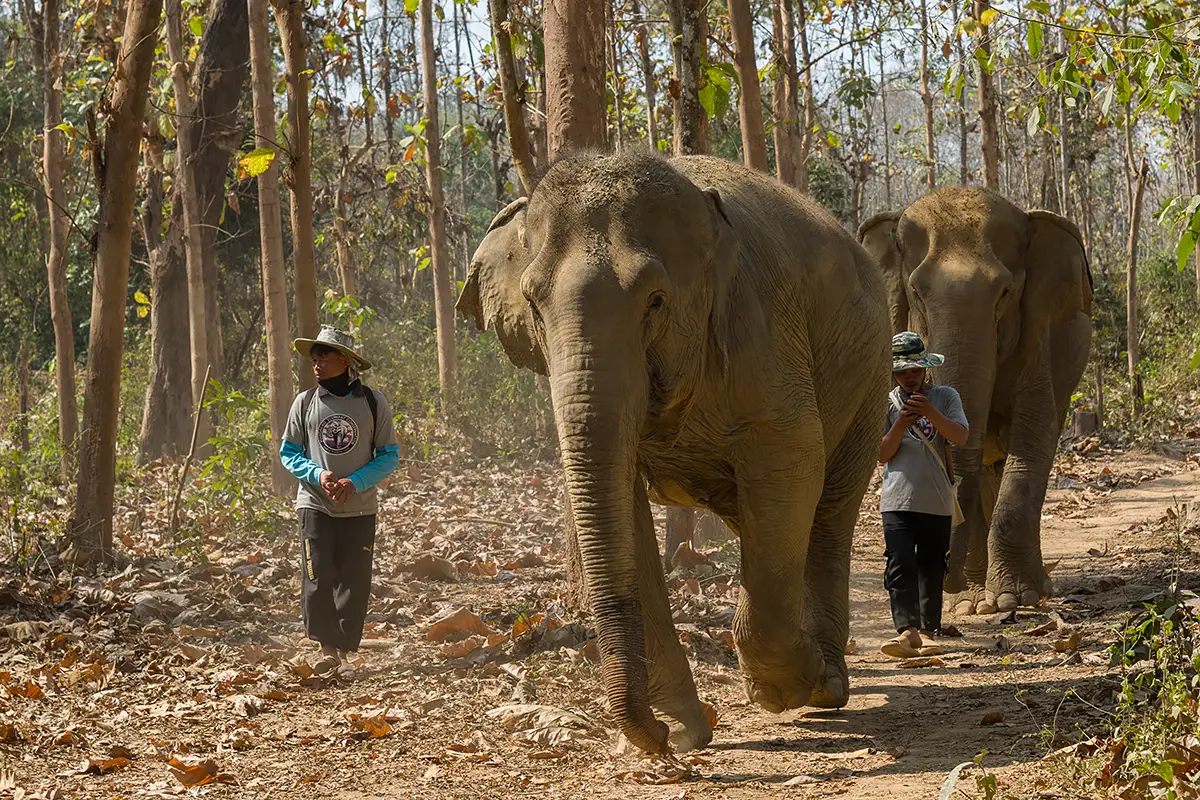
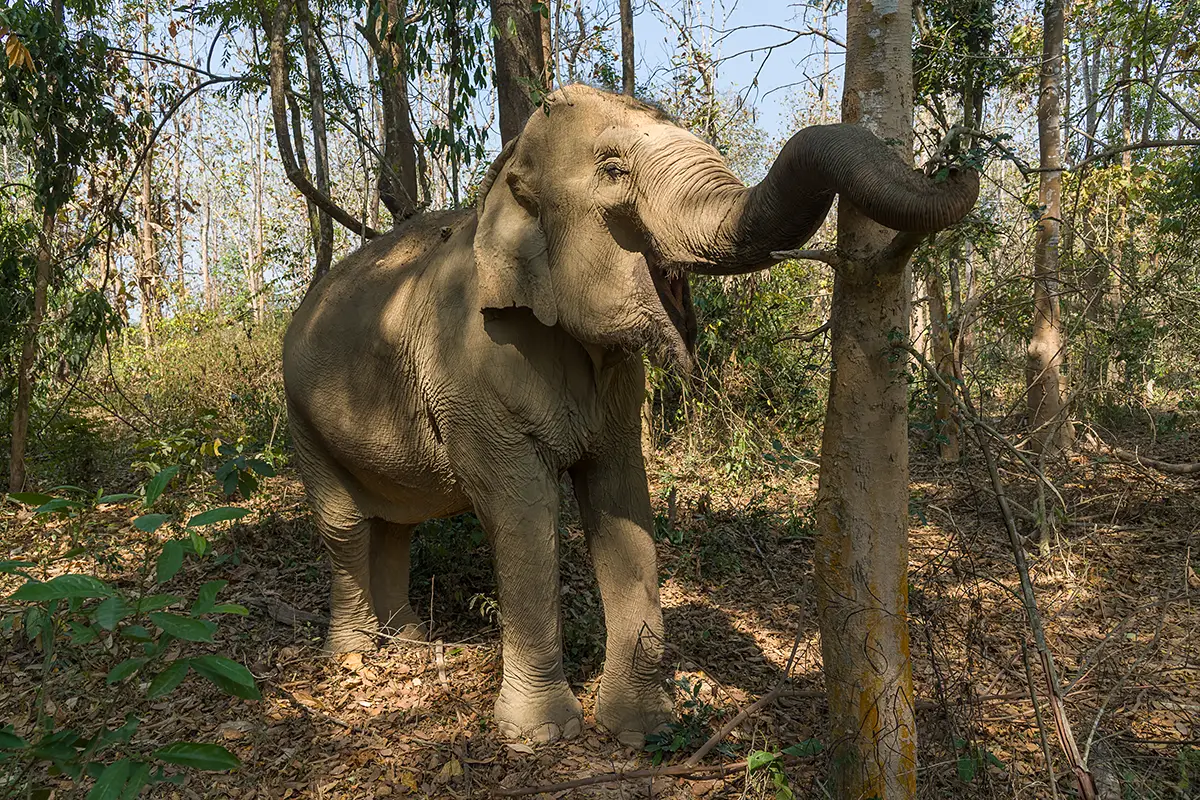
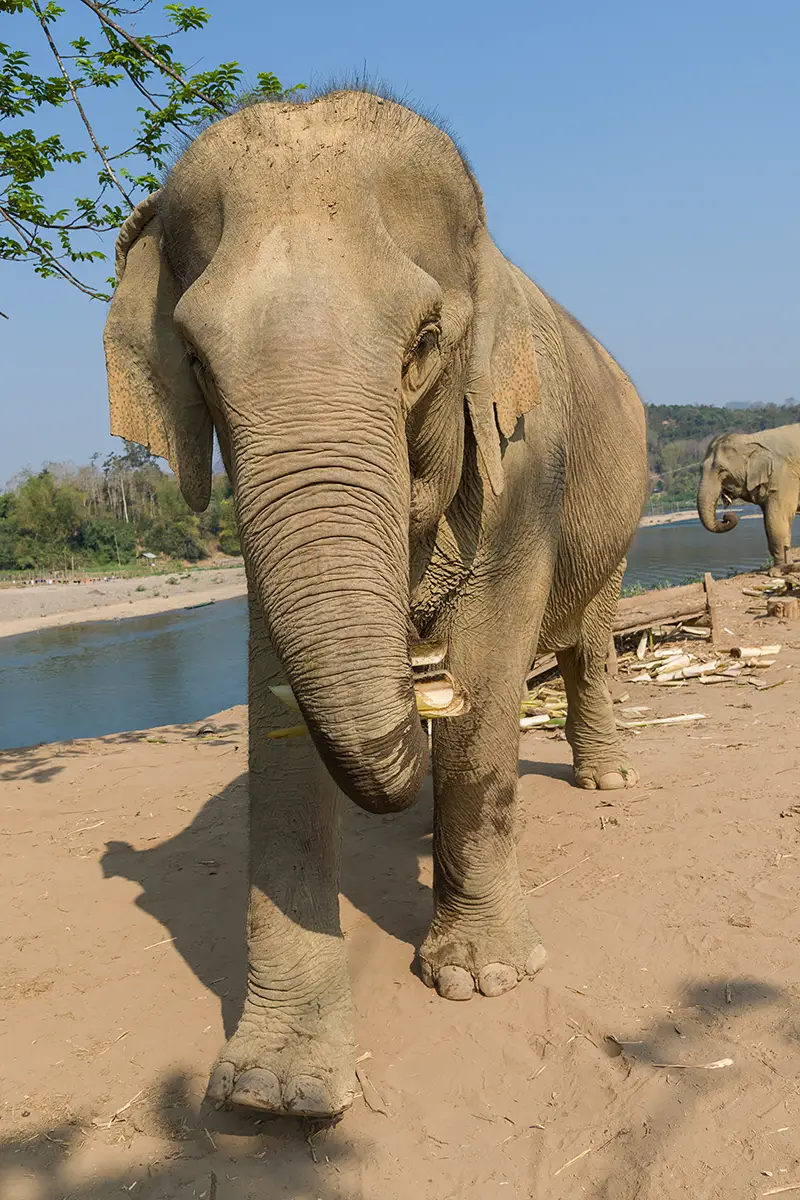
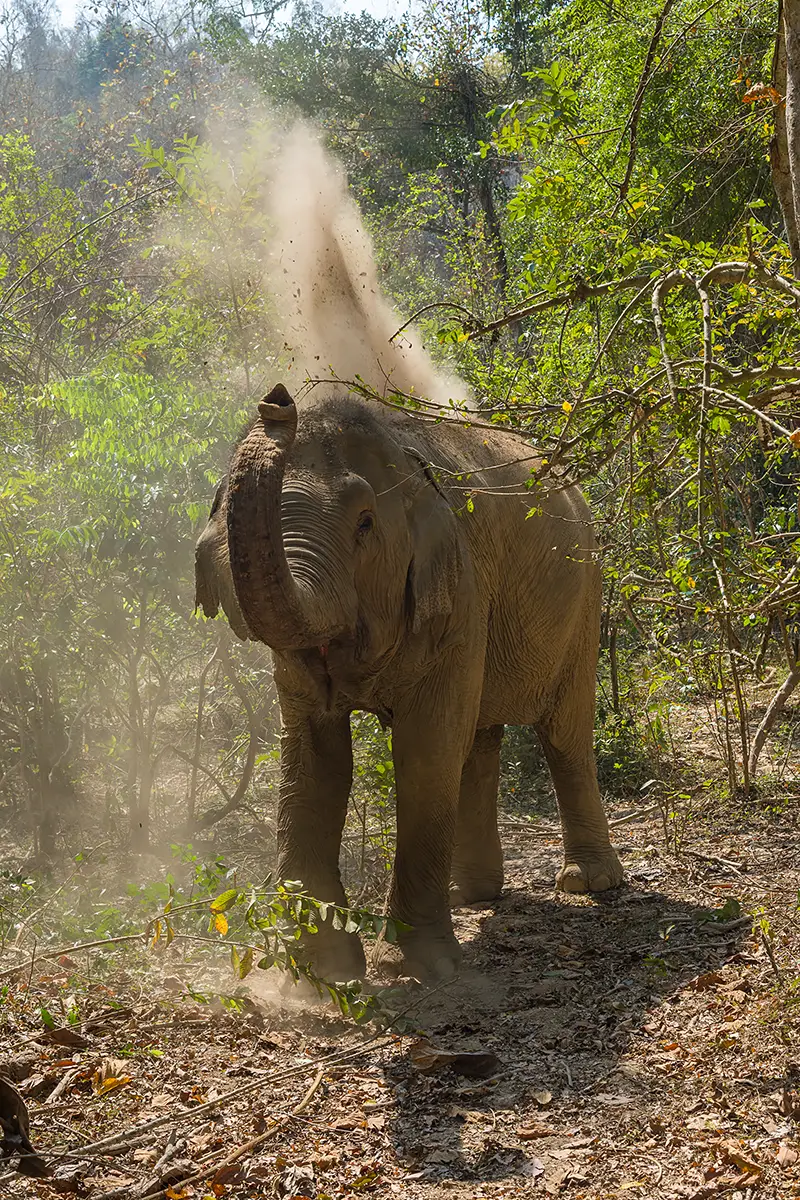
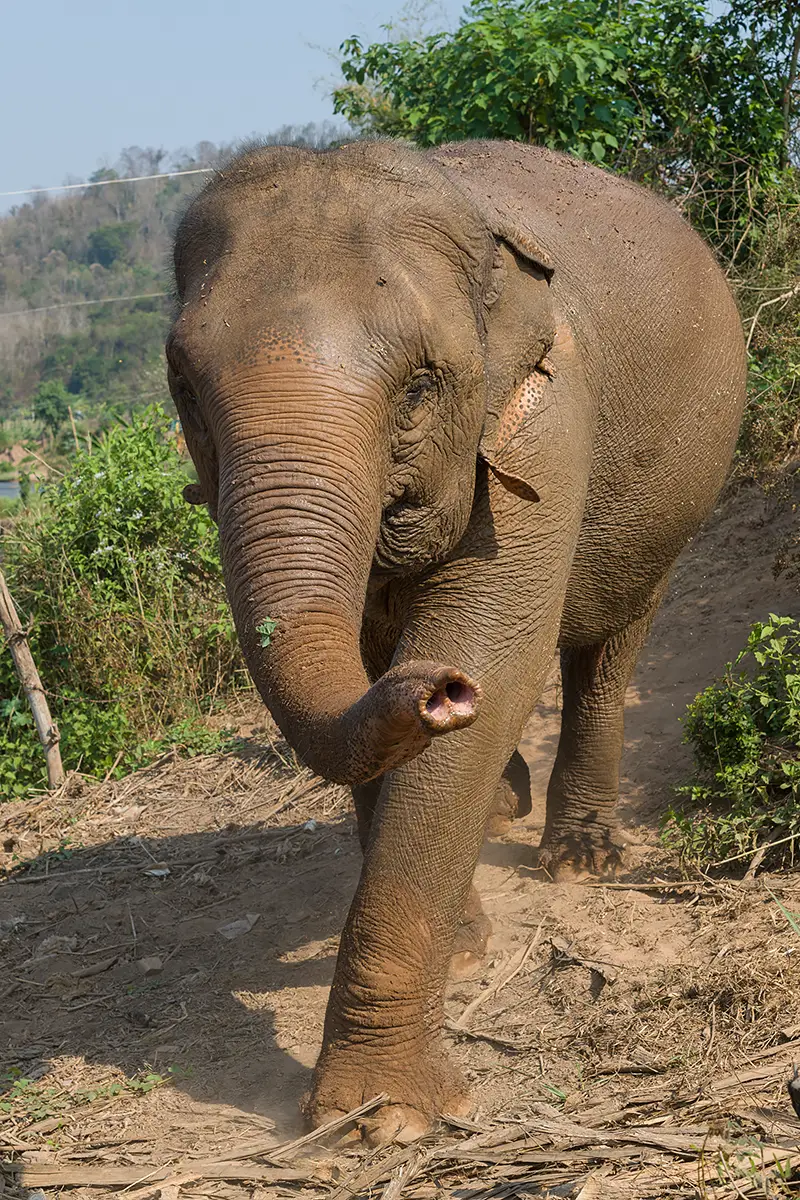
The rest of the visit is largely dictated by the elephants themselves. They are not compelled to do anything and as you can see from the pictures, the elephants are not chained and the keepers don't use the cruel bullhooks to exert control.
The elephants here spend their time doing what elephants do in the wild: eating, bathing, walking through the forest and a bit more eating. In the wild an Asian elephant will eat for 16-18 hours a day; consuming between 180 - 270 kg of food. This is one of the reasons why working elephants can suffer health problems.
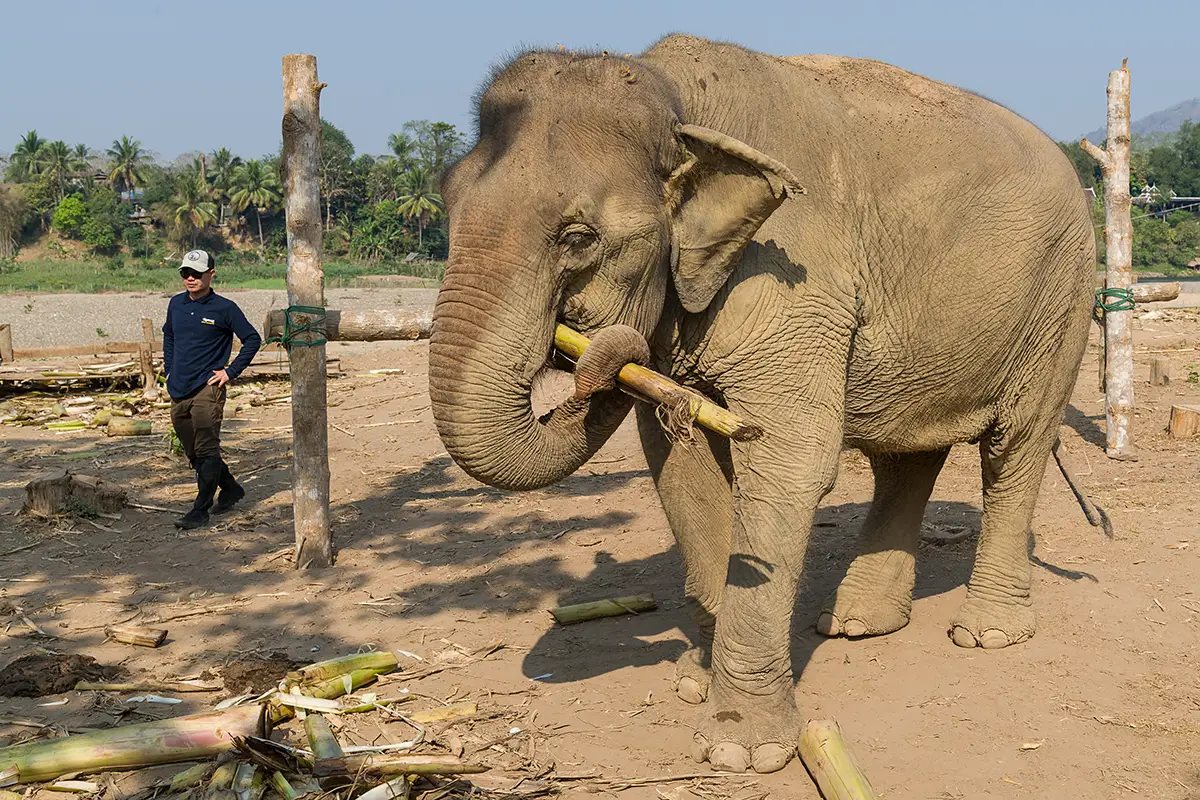
What we should be able to experience though is feeding some of the elephants at the sanctuary, watching them bathe in the river and hopefully, head out for a walk with them through the forest.
This will be a fantastic opportunity to take some intimate and close-up images of these incredible animals, whilst knowing that our visit will not exploit them, and will help them to continue living happy and more natural lives.
It is also an incredible experience. Elephants are fantastic animals and the chance to spend time up close with them, in a truly ethical way is a real privilege, and something that will produce as many wonderful memories as it will stunning photographs.
Once we are done with engaging with and photographing the elephants, we will return to the visitor centre for an included lunch – another way of supporting this unique project.
For centuries, the identity of Laos was defined by the Asian elephant, earning the country its historic moniker, Lan Xang, or "The Land of a Million Elephants." Established in 1353 by King Fa Ngum, the Kingdom of Lan Xang relied on elephants not merely as working animals, but as central figures of political and military power.
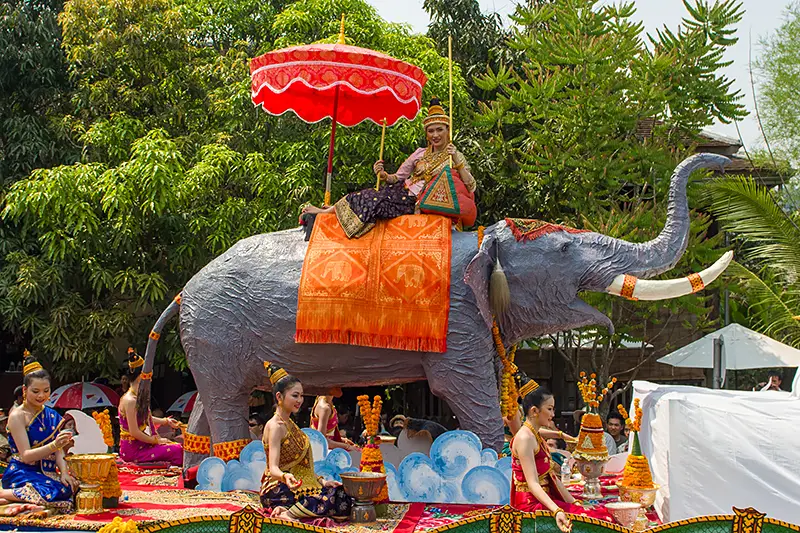
Beyond their military utility, elephants held profound spiritual and cultural significance deeply intertwined with Lao Theravada Buddhism and traditional animism. The rare white elephant, in particular, was revered as a sacred omen of prosperity and wise governance; owning one was believed to bring immense blessings to the kingdom.
As Laos transitioned into the 19th and 20th centuries, the role of the elephant shifted dramatically from royal symbol to industrial force. During French colonial rule and continuing into the mid-20th century, thousands of elephants were pressed into heavy labor within the country's booming timber industry.
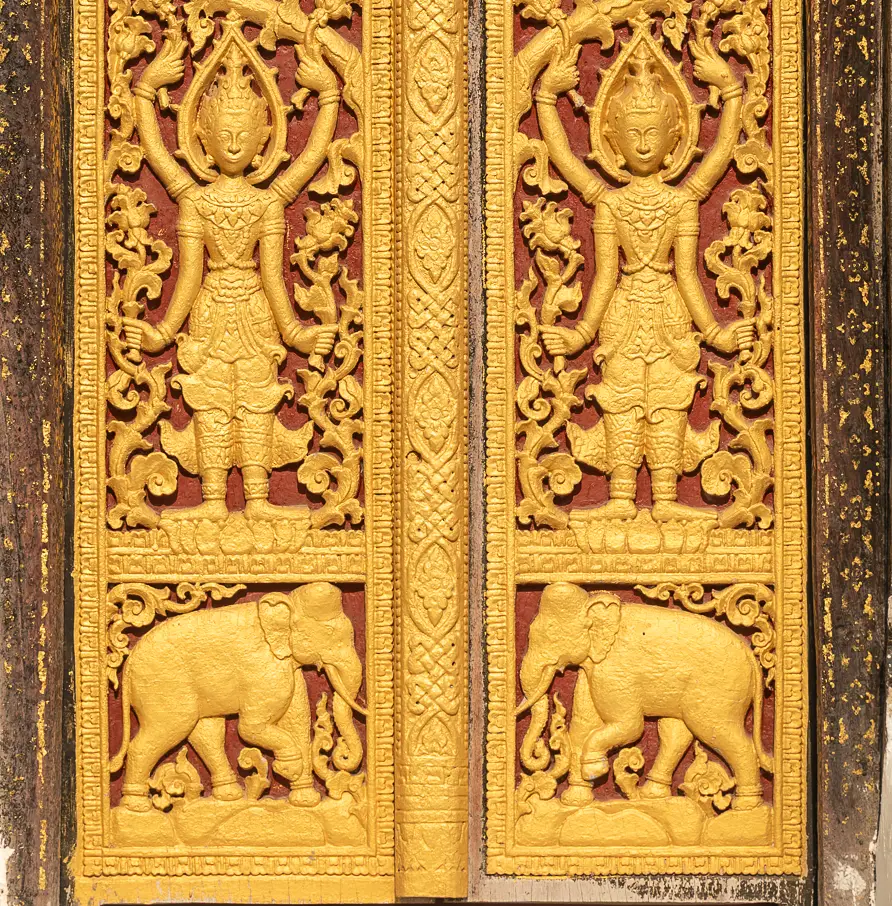
The devastating Indochina wars of the mid-20th century, marked a tragic chapter for Lao elephants. Widespread aerial bombardment destroyed vast swathes of native forest habitat, while active combat and landmines killed hundreds of wild and domesticated elephants alike.
Following the war, rapid deforestation, agricultural expansion, and infrastructure development fragmented remaining natural corridors, driving the wild elephant population into isolated pockets and triggering severe human-elephant conflicts over land and food.
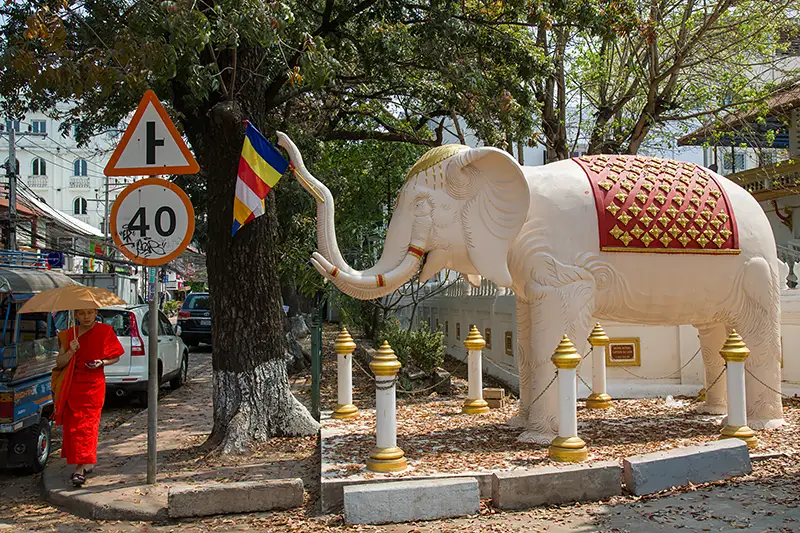
Today, there are said to be around 400 wild elephants in Laos, mainly living in small, isolated groups in protected areas like the Nam Pouy National Protected Area and the Nakai-Nam Theun region. There are also said to be a similar number of domesticated captive elephants in the country, many of them being used in the tourist industry.
If you are like the idea of an ethical elephant encounter in Laos, then why not join me on an exclusive travel photography tour to Laos with all land arrangements and comprehensive travel industry bonding supplied by Intrepid Travel, who are one of the leading names in small group adventure travel. On this trip we will have a number of opportunities to photograph monks on their morning alms round, including at the Wat Phou Champassak festival. I will be on hand to help you, and to give you all the assistance you need. You can see more details below, or see the full tour page by clicking here.
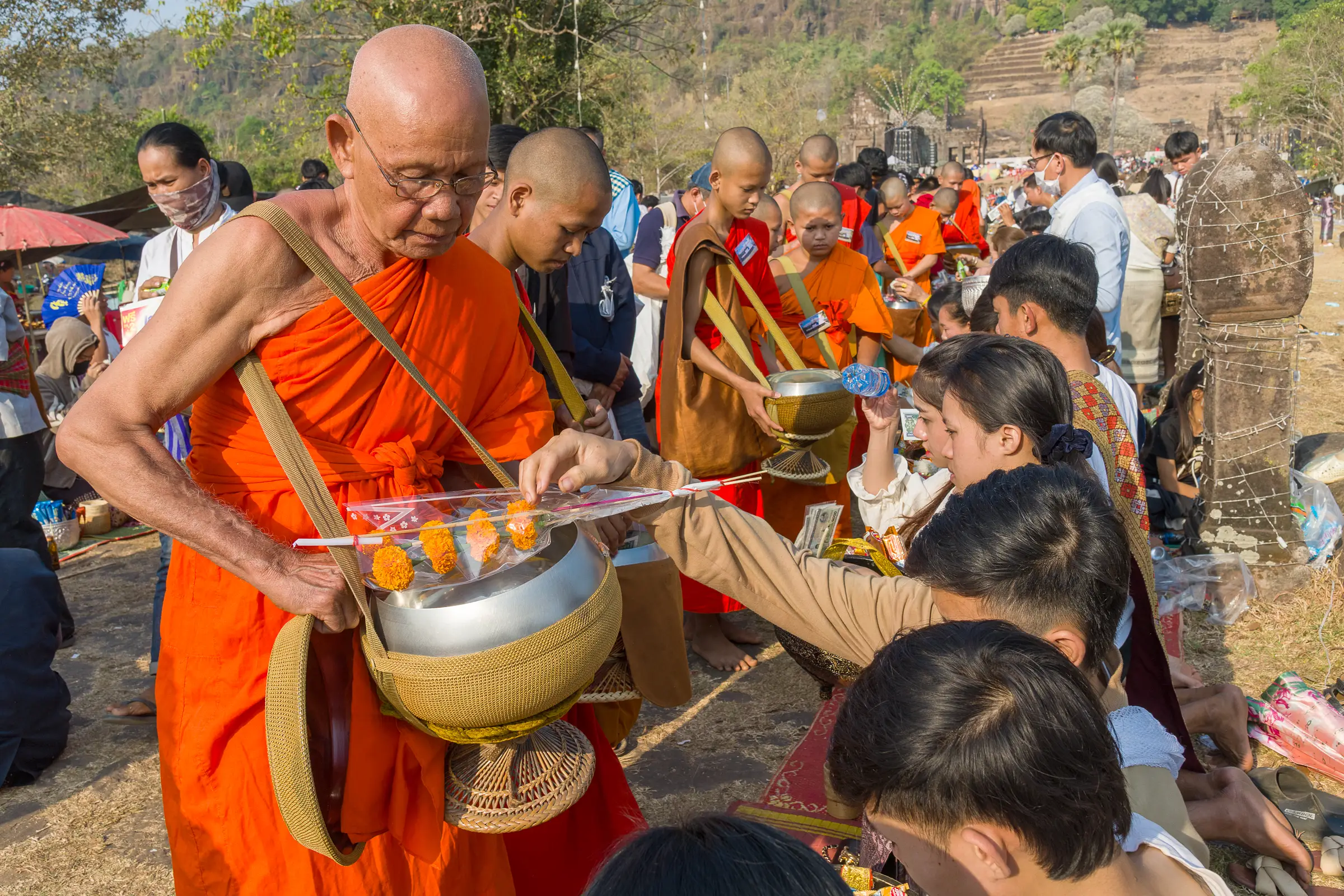
Take an adventurous photographic journey through the beguiling country of Laos, to experience the ancient Wat Phou Champassak festival, set amidst ancient Khmer ruins. We will also enjoy the islands of Si Phan Don, the haunting Plain of Jars, the thriving capital Vientiane and meet hilltribes in the striking Northern landscapes, before finishing in the charmingly historic city of Luang Prabang, the former Royal Capital and a UNESCO World Heritage City.